Weekly Liturgy : December 22-28


Matthew 2:13-23
NIV
When they had gone, an angel of the Lord appeared to Joseph in a dream. “Get up,” he said, “take the child and his mother and escape to Egypt. Stay there until I tell you, for Herod is going to search for the child to kill him.”
So he got up, took the child and his mother during the night and left for Egypt, where he stayed until the death of Herod. And so was fulfilled what the Lord had said through the prophet: “Out of Egypt I called my son.”
When Herod realized that he had been outwitted by the Magi, he was furious, and he gave orders to kill all the boys in Bethlehem and its vicinity who were two years old and under, in accordance with the time he had learned from the Magi. Then what was said through the prophet Jeremiah was fulfilled:
“A voice is heard in Ramah,
weeping and great mourning,
Rachel weeping for her children
and refusing to be comforted,
because they are no more.”
After Herod died, an angel of the Lord appeared in a dream to Joseph in Egypt and said, “Get up, take the child and his mother and go to the land of Israel, for those who were trying to take the child’s life are dead.”
So he got up, took the child and his mother and went to the land of Israel. But when he heard that Archelaus was reigning in Judea in place of his father Herod, he was afraid to go there. Having been warned in a dream, he withdrew to the district of Galilee, and he went and lived in a town called Nazareth. So was fulfilled what was said through the prophets, that he would be called a Nazarene.
REFLECTION
from Cory
The painting above translates the Biblical account of the Massacre of the Innocents into a winter scene in the Southern Netherlands in the prelude to the Dutch Revolt against Spanish rule, also known as the Eighty Years' War.
Historians believe that Rudolf II, Holy Roman Emperor, ordered it overpainted to hide images of dead and dying children, which have been replaced by food items and sacks of goods.
In Jesus’ day, Herod was simply trying to protect his power and to maintain the status quo. For the artists of the above painting, Rudolf II was the one trying to keep the “peace.”
Civilization, it seems, is always lived in the shadow of Herods and Rudolfs.
Herod hears from the traveling Magi that a future king has been born in his land. The scriptures call that good news. But Herod only hears bad news. So he pulls the only lever that he has: violence. Bad news is identified—this newborn baby—and the corresponding good news makes perfect sense: violence.
Once we identify individuals or groups of people as bad news, i.e. criminals, garbage, invaders, addicts, deliverers of weapons of mass destruction, the path towards violence is set.
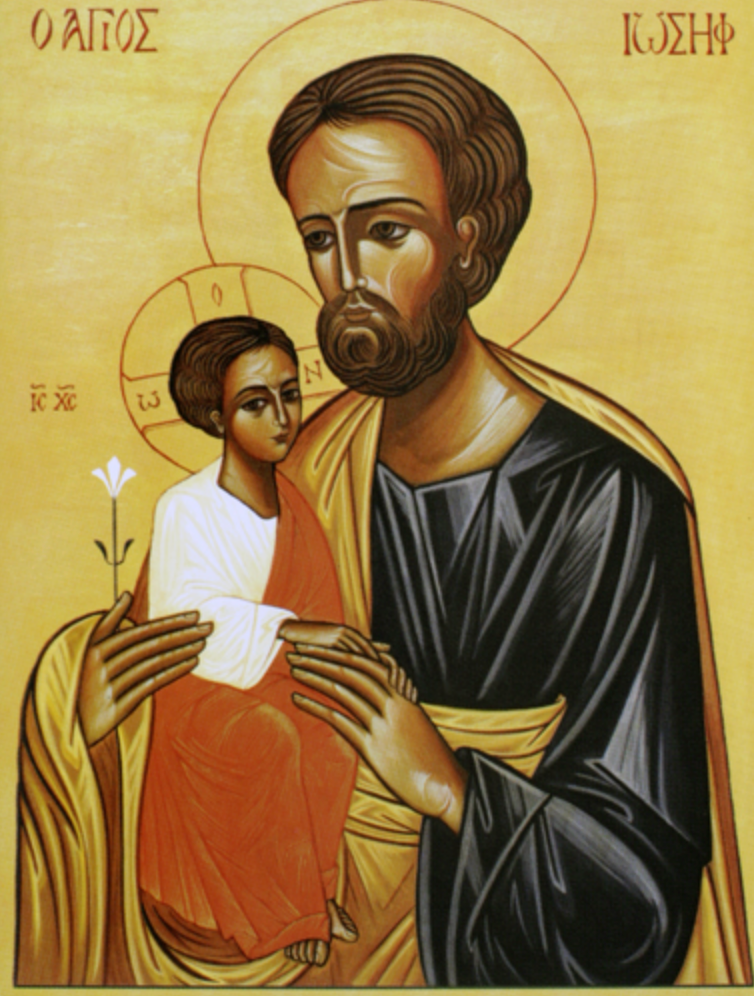
Jesus, thanks to Joseph’s dream, escapes the violence of Herod.
And he goes on to offer an alternative to the path of Herod and every other despotic tyrant:
“His law is love and His good news is peace.”
PRACTICE:
Outward Mindset Application
Is there someone in your life that you are treating like an object, an instrument, a means to an end?
A helpful tool to re-humanize someone is to imagine that person’s favorite food or meal. Who do they enjoy that meal or food with? Where were they when they first ate that food?
If you get the chance, ask them a question simply to get to know them.
Non-Violent Communication Question of the Week
Are there people, or groups, that you use labels for? For example, “Democrats are all ____________!” Or “Trump supporters are ______________!”
Is there a way to talk about people without using generalities, labels, and lumping them all into categories?
Pathways toward Centeredness
Christmas can be a season of checklists, even Santa has one. What would it look like to reorient your day with a focus on being present with people vs. accomplishing tasks? Just start with one day and see how it goes.
Questions for Reflection
The path of Herod is one of violence, manipulation, and control. The path of Jesus is one of peace, compassion, and humble service.
Where do you find yourself in the path of Herod?
In what situations do you find it easier to embrace the path of Jesus?
“Liturgy” refers to the habits and practices humans use to form community around shared values and meaning. At Church at the Park, we desire to be a community of practice, becoming people who see the world through the eyes of the marginalized, making meaning through the lens of pain and suffering, and committing ourselves to non-violence in a wounded world. This weekly email is intended to provide pathways of practice for becoming the type of people who embody these values.
Many of our reflections on each week's text come from other sources. If you're interested in reading more of what inspires us, here our our two favorite reflections.

Copyright (C) 2023 Church at the Park. All rights reserved.