


Weekly Liturgy : December 15-21

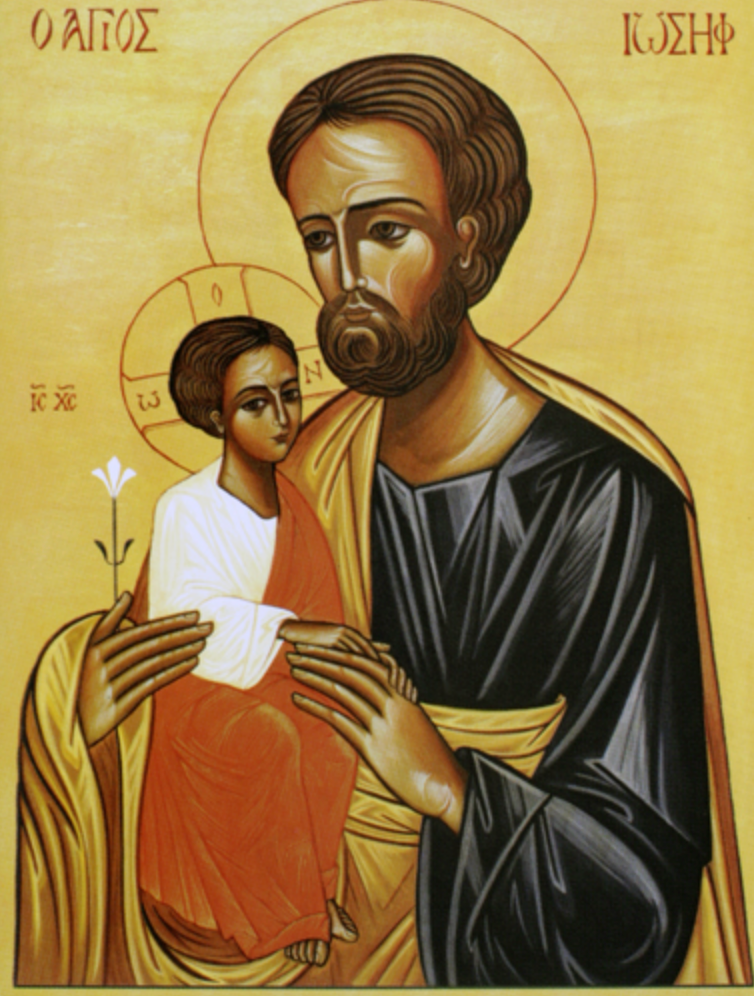
Matthew 1:18-25
The Message
The birth of Jesus took place like this. His mother, Mary, was engaged to be married to Joseph. Before they enjoyed their wedding night, Joseph discovered she was pregnant. (It was by the Holy Spirit, but he didn’t know that.) Joseph, chagrined but noble, determined to take care of things quietly so Mary would not be disgraced.
While he was trying to figure a way out, he had a dream. God’s angel spoke in the dream: “Joseph, son of David, don’t hesitate to get married. Mary’s pregnancy is Spirit-conceived. God’s Holy Spirit has made her pregnant. She will bring a son to birth, and when she does, you, Joseph, will name him Jesus—‘God saves’—because he will save his people from their sins.” This would bring the prophet’s embryonic revelation to full term:
Watch for this—a virgin will get pregnant and bear a son;
They will name him Immanuel (Hebrew for “God is with us”).
Then Joseph woke up. He did exactly what God’s angel commanded in the dream: He married Mary. But he did not consummate the marriage until she had the baby. He named the baby Jesus.
REFLECTION
from Matt
I can imagine reading the headline in the Nazareth Gazette: "Reluctant Father Names Messiah." The tension was real, and the responsibility was heavy. This baby on the way would be named "Jesus" and called "Immanuel." God saves and God is with us.
God's presence is salvation.
This is the story of Christmas — that God put on flesh and lived among us. And by his presence in our world, in our relationships, in our lives, we are transformed, saved, made new. God's presence may take the form of a cloud or pillar of fire as it did for the Israelites in the wilderness. It may be the fourth person in the furnace alongside Daniel and his friends. It may be the one hanging on a cross next to a convicted thief, welcoming him into paradise.
I often see the transformative power of presence in our sheltering work. It also can take many forms: accompanying a guest to court, sitting in on a phone call to Social Security, celebrating an apartment application, or grieving the loss of family and place around the holidays. For our neighbors who have lost their community of support, just being there makes all the difference. As demonstrated by Jesus, God is present for us in similar ways.
Brother Lawrence, known for practicing the presence of God, wrote:
“He does not ask much of us, merely a thought of Him from time to time, a little act of adoration, sometimes to ask for His grace, sometimes to offer Him your sufferings, at other times to thank Him for the graces, past and present, He has bestowed on you, in the midst of your troubles to take solace in Him as often as you can. Lift up your heart to Him during your meals and in company; the least little remembrance will always be the most pleasing to Him. One need not cry out very loudly; He is nearer to us than we think.”
Come Immanuel.
PRACTICE:
Outward Mindset Application
Pay attention to 3 people in or your orbit this week. Look for behaviors that you appreciate in them. Tell each of those 3 people what you appreciate.
Non-Violent Communication Question of the Week
Who is it hard for you to show up for? Maybe it a guest, staff person, or family member that you are not getting along with very well at the moment. What would help you see them not as a vehicle/obstacle/irrelevant, but as a fellow human whose needs matter as much as yours?
Pathways toward Centeredness
What would it look like to reorient your day with a focus on being present with people vs. accomplishing tasks? Just start with one day and see how it goes.
Questions for Reflection
Who shows up for you when you need them? What is it about this relationship that you appreciate?
What are appropriate boundaries around being present with people? Can (or should) we show up for every person and need that presents itself? Where do we draw the line on when to show up?
“Liturgy” refers to the habits and practices humans use to form community around shared values and meaning. At Church at the Park, we desire to be a community of practice, becoming people who see the world through the eyes of the marginalized, making meaning through the lens of pain and suffering, and committing ourselves to non-violence in a wounded world. This weekly email is intended to provide pathways of practice for becoming the type of people who embody these values.
Many of our reflections on each week's text come from other sources. If you're interested in reading more of what inspires us, here our our two favorite reflections.

Copyright (C) 2023 Church at the Park. All rights reserved.


